
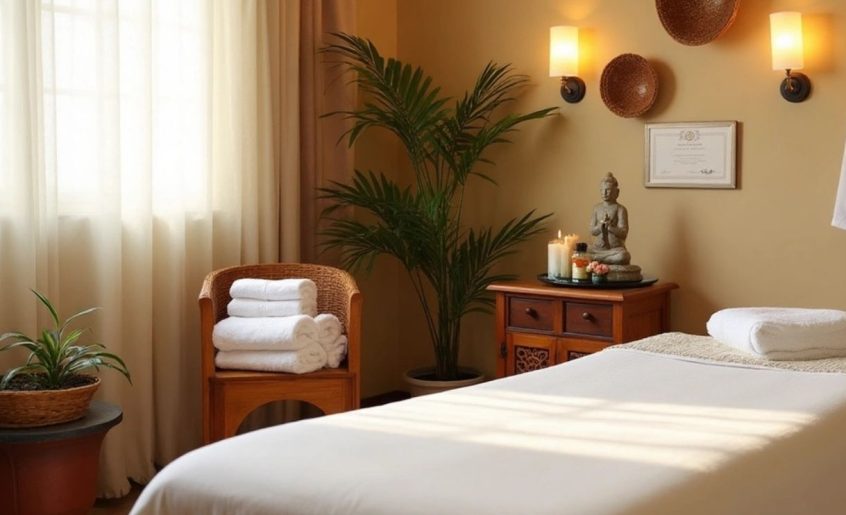
Swedish Massage for Relaxation, Pain Relief, and Better Sleep
You are tired, wound up, and your shoulders feel like bricks. Maybe you are curious about massage but a little nervous to try it. That is where Swedish massage comes in.
Swedish massage is a gentle, full‑body style that uses oil or lotion and smooth, flowing strokes. It is beginner friendly, easy to handle if you are shy, and very common in day spas and wellness centers.
In this guide, you will learn what Swedish massage is, how it works, the main health benefits, and exactly what to expect in your first session. By the end, you will know if it is a good fit for your body and your stress level.
Swedish Massage Basics: How It Works and What It Does
Simple definition and how Swedish massage feels
Swedish massage is a classic, relaxing full‑body massage. The therapist uses warm oil or lotion and long, smooth strokes along your back, legs, arms, neck, and shoulders.
The overall feel is calm, steady, and rhythmic. Many people describe it as feeling like waves moving slowly across the body. The goal is to relax your muscles and quiet your mind at the same time.
Pressure is adjustable. It can be light if you are sensitive, or medium to firm if you like a deeper feeling. Unlike deep‑tissue massage, Swedish massage should not feel painful. You should be able to breathe easily, talk if you want to, and feel safe and supported on the table.
A quick look at the origins of Swedish massage
Modern Swedish massage grew out of work in early 19th‑century Sweden. Per Henrik Ling developed a system of movement and exercise for health. Later, Dutch doctor Johan Georg Mezger organized the hands‑on strokes that massage therapists still use today.
Because his system was clear and easy to teach, Swedish massage spread across Europe and North America. That is why it became the standard style in many spas and wellness centers around the world.
Key Swedish massage strokes explained in simple terms
Therapists learn five classic strokes. You do not need to remember their names, but it helps to know what you might feel.
- Long, gliding strokes (effleurage): Gentle, flowing strokes that warm the skin and muscles, help you relax, and spread the oil.
- Kneading and squeezing (petrissage): Lifting and rolling the muscles, like gentle dough kneading, to loosen tight spots and improve blood flow.
- Small, focused circles (friction): Deeper, slow circles over knots or stiff areas to break up tension.
- Light tapping or chopping (tapotement): Rhythmic tapping with cupped hands or fingertips to wake up tired muscles. Often used near the end of a session.
- Shaking or trembling (vibration): Quick, soft shaking of an area to relax the muscles and calm the nerves.
Most of the session feels smooth and flowing. The more active strokes usually come in short bursts to energize or release stubborn tension.
Health Benefits of Swedish Massage You Can Actually Feel
Relaxation and stress relief for body and mind
Swedish massage is well known for stress relief. The slow, steady touch signals your nervous system that you are safe. Your body can shift from a “fight or flight” state into a more relaxed mode.
Research shows regular massage can lower cortisol (a main stress hormone) and boost feel‑good chemicals like serotonin and dopamine. Many clients notice less anxiety, fewer racing thoughts, and an easier time unwinding after work.
If you are juggling deadlines, family duties, or burnout, an hour on the table can feel like a reset button. The mental break matters as much as the muscle work.
Easing sore muscles, stiffness, and everyday aches
You do not have to be an athlete to have tight muscles. Long hours at a desk, phone use, or light workouts all add up.
Swedish massage helps by:
- Warming the muscles and improving circulation
- Gently stretching soft tissues
- Releasing knots in common trouble spots like the neck, shoulders, and low back
The pressure is usually gentle to medium, so it is kinder than deep‑tissue work. Yet many people still feel a clear drop in stiffness and pain. You may notice easier movement in your neck, a looser back, and fewer tension headaches.
Over time, massage can support better posture and flexibility, which reduces everyday aches.
Better sleep, mood, and overall well‑being
Good sleep is one of the quiet benefits of Swedish massage. As stress levels fall and muscles soften, it often becomes easier to fall asleep and stay asleep.
Some studies report large improvements in sleep quality after several weeks of regular sessions. People also report feeling more rested, less on edge, and more patient with daily stress.
There is also early research that links massage with better immune function, including higher activity in some white blood cells. It is not a cure for illness, but it can support your body while you take care of the basics like food, movement, and rest.
Here is a quick snapshot of how it can help:
| Area | How Swedish Massage May Help |
|---|---|
| Stress | Calmer nervous system, lower cortisol, mental quiet |
| Pain & aches | Softer muscles, fewer knots, better range of motion |
| Sleep | Deeper rest, easier time falling asleep |
| Mood | Less anxiety, more balanced emotions and energy |
Everyone responds a little differently, but most people feel at least some of these changes after a few sessions.
What To Expect in a Swedish Massage Session (Step by Step)
Before you go: how to prepare and what to wear
For your first visit, aim to arrive 10 to 15 minutes early. This gives you time to fill out forms, use the restroom, and settle your nerves.
Eat a light meal a couple of hours before, not a heavy one right before your massage. Drink water, and skip alcohol that day so your body can relax and recover well.
Most people undress to their comfort level and lie under a sheet or towel. The therapist only uncovers the area they are working on, so your body stays covered and private. If you want to keep underwear on, that is completely fine.
A good therapist keeps things professional, explains what will happen, and checks in on your comfort.
During the massage: step by step experience
After check‑in, your therapist will ask a few health questions. They might ask about injuries, surgeries, medications, or areas you want them to focus on or avoid.
Then they will leave the room so you can undress and lie on the table under the sheet. You will usually start face‑down. The therapist knocks before coming back in.
They apply a small amount of oil or lotion and start with broad, gentle strokes. A typical full‑body Swedish massage includes the back, legs, feet, arms, hands, neck, and sometimes the scalp.
You are always allowed to talk about:
- Pressure (too light, too firm, or just right)
- Room temperature
- Music volume
- Areas you do not want touched
Sessions usually last 30, 60, or 90 minutes. A 60‑minute Swedish massage is a great starting point. You do not need deep pressure for it to work; comfort is more important than intensity.
After your session: how you might feel and simple self‑care
When the massage ends, your therapist will step out so you can get dressed slowly. Take your time sitting up so you do not feel light‑headed.
Right after a session, many people feel:
- Calm or even a little sleepy
- Warm and loose in their muscles
- More aware of their breathing
Mild soreness, like after gentle exercise, can show up later that day or the next. This usually fades quickly.
To get the most from your Swedish massage:
- Drink extra water that day
- Plan your session at a time when you can relax afterward
- Pay attention to how you sleep and feel over the next 24 hours
If you find it helpful, try booking a few sessions a month apart, or even every couple of weeks, to see the full effects.
Conclusion: Is Swedish Massage Right for You?
Swedish massage is a great fit for beginners, stress‑filled professionals, parents who carry the weight of the world in their shoulders, and anyone with everyday tension. It offers gentle, full‑body relaxation while still helping sore muscles, stiff joints, and a busy mind.
If you have health concerns, talk with your doctor and let your massage therapist know before you start. A licensed therapist can adjust the session so it feels safe and supportive.
If you are curious, try a simple 60‑minute Swedish massage. Notice how your body, sleep, and mood feel over the next few days. Your nervous system may be more ready for calm than you think.