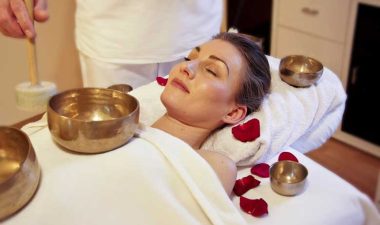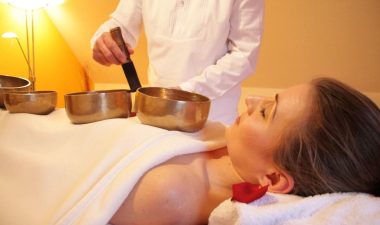
If Nairobi traffic, long workdays, and constant screen time are wearing you down, you’re not alone. Many people in the city feel tired, stiff, and stressed before the day even ends. That’s where Massage in Nairobi comes in, not as a fancy treat, but as real support for your body and mind.
Across Nairobi you’ll find all kinds of massage options, from simple neighborhood parlors to high-end wellness centers like Bliss Spa. You can choose gentle Swedish massage for relaxation, deep tissue for stubborn muscle knots, aromatherapy for stress, or focused work on your back, neck, or feet if pain is your main issue. A good session can leave you looser, calmer, and sleeping better.
This guide will walk you through the most common types of massage in Nairobi, what each one helps with, and how to pick the right place for your needs and budget. You’ll get a clear idea of what happens during a session, basic price ranges in the city, and simple safety tips so you feel comfortable and prepared. If you want to understand how massage helps with both stress and body pain, you can also explore this guide on Massage for pain relief and stress reduction.
By the end, you’ll know how to choose a spot that feels safe, clean, and professional, whether you want a quick stress reset or a full spa day. Take a breath, listen to what your body is saying, and let this be your starting point to feeling lighter, looser, and more at ease in your own skin.
Why Massage in Nairobi Is Growing So Popular
Massage in Nairobi has moved from “special treat” to “basic need” for many people. Busy city life, long days at work, and growing awareness of health and mental wellness all push more Nairobi residents to book regular sessions. Whether it is a luxury spa or a simple neighborhood spot, people want a place where they can switch off, breathe, and reset.
Everyday stress and city life in Nairobi
Daily life in Nairobi can feel like a full-time workout for your nervous system. You start with traffic, long commutes, and crowded matatus or packed highways. Then you sit at a desk for hours, stare at a screen, answer emails, jump between meetings, and often work past normal hours.
All this adds up to:
- Tight shoulders and stiff necks
- Lower back pain from sitting all day
- Tension headaches
- Poor sleep and constant fatigue
Many people reach a point where painkillers and quick stretches are not enough. Regular massage in Nairobi gives the body a break it rarely gets. A good session loosens tight muscles, improves circulation, and helps the mind slow down. You walk out feeling lighter, more focused, and more present, which makes it easier to handle the next workday or traffic jam.
Wellness, mental health, and self care
More Kenyans now talk openly about anxiety, burnout, and mental health. Social media, wellness events, and counseling services have helped people see that stress is not just “in your head”. It shows up in your body, mood, and sleep.
Massage fits into this wider self-care shift. When paired with exercise, better sleep, and healthy eating, it may:
- Lower stress levels
- Support deeper relaxation
- Improve sleep quality
- Lift mood and help you feel more balanced
Many people now plan a massage day the same way they plan a gym session or a weekend trip. Spa days, short wellness getaways, and regular treatments feel less like luxury and more like maintenance for a busy life in Nairobi.
Different types of massage now easy to find in Nairobi
Another big reason massage in Nairobi is growing so fast is choice. The city now has everything from high-end hotel spas to clean, affordable local parlors. You can find:
- Relaxing Swedish massage
- Firm deep tissue sessions
- Hot stone treatments
- Reflexology and foot massage
- Sports massage
- Lymphatic massage
There are also skilled therapists who blend styles to match your needs, for example, mixing Swedish and deep tissue for both comfort and strong pressure. This variety makes it easy to find something that fits your body, your goals, and your budget, and it sets up the next step, choosing the best type of massage for you.
Popular Types of Massage in Nairobi and Who They Are Best For
When you start looking for massage in Nairobi, the options can feel overwhelming. The good news is that most common styles fit into a few clear groups, each with its own feel and best use. Once you know what each type does, it becomes much easier to match your body’s needs with the right treatment.
Below are the main types you will see on Nairobi spa menus, how they feel, and who they are best for.
Swedish massage in Nairobi for full body relaxation
Swedish massage is the classic “relaxing massage” most people think of first. It uses gentle to medium pressure, long flowing strokes, and smooth kneading over the whole body.
A typical Swedish session in Nairobi:
- Starts with you lying on a warm, padded table
- Uses massage oil or cream so the hands glide easily
- Covers the back, legs, arms, neck, and sometimes the scalp and feet
Most sessions last 60 to 90 minutes, which gives enough time to work on the full body at a calm pace. The goal is not to dig into painful knots, but to help the muscles let go and the mind slow down.
Swedish massage is great if you:
- Feel stressed, mentally drained, or “wired but tired”
- Have general body tension from work, traffic, or long hours sitting
- Struggle to sleep well and want to calm your nervous system
- Are a first-time client and want something safe and easy to handle
The overall feeling is soothing and rhythmic, like gentle waves passing through the body. You may feel light, warm, and deeply sleepy by the end. It can ease tension and support better sleep, but it will not be as strong or intense as deep tissue work.
Most places that offer massage in Nairobi list Swedish massage as a standard option, from hotel spas to neighborhood wellness centers. If you are not sure what to book, this is usually the safest starting point.
Deep tissue massage for tight muscles and chronic tension
Deep tissue massage is a stronger, more focused treatment. The therapist works into deeper layers of muscle and connective tissue, often using slower strokes and firmer pressure on specific tight spots.
Deep tissue can feel:
- Firm, heavy, and very focused on problem areas
- A bit intense in tight muscles
- Like a “good pain” rather than sharp or burning pain
It should never feel unbearable. If you are holding your breath or tensing up, that is a sign the pressure is too much. Always speak up so the therapist can adjust.
Deep tissue is popular in Nairobi for people who:
- Have long-term neck, shoulder, or lower back tension
- Sit at a desk all day and feel constantly stiff
- Do regular strength training or intense gym workouts
- Live with old muscle strains that keep flaring up
Many clinical centers and some spas may combine deep tissue with other therapies, such as stretching, basic physiotherapy techniques, or posture advice. This is helpful if you are dealing with long-running muscle issues rather than simple stress.
If you book deep tissue, drink water afterwards, move gently, and give your body a day to settle. You might feel a bit sore, like after a workout, but you should also feel looser and lighter.
Hot stone and aromatherapy massages for deep calm
Hot stone massage adds warmth to the usual massage experience. The therapist places smooth heated stones on key areas like the back, and also glides some of them along the muscles. The heat helps the muscles relax faster, so the pressure can stay comfortable while still reaching deeper layers.
Aromatherapy massage uses essential oils with different scents, such as lavender for calm or citrus for a lighter mood. The therapist blends the oils with carrier oil and uses gentle to medium pressure, similar to Swedish massage, while the scent helps your mind unwind.
These styles are ideal if you:
- Feel very stressed or emotionally drained
- Have trouble “switching off” after work or study
- Want a spa-like experience rather than strong therapeutic work
- Prefer gentle touch and mood support over deep pressure
Many higher-end Nairobi spas offer hot stone and aromatherapy as part of spa packages, sometimes paired with body scrubs or facials. They are perfect for special occasions, recovery after a busy season, or anytime you need more mental and emotional reset than strong muscle work.
Sports and therapeutic massage for active people
Sports massage is designed for active bodies. It focuses on the muscle groups you use most in your sport or workouts, rather than just doing the same routine on everyone.
In a sports or therapeutic massage session, you can expect:
- Firm, targeted work on key areas like calves, hamstrings, glutes, back, or shoulders
- Stretching of tight muscles and joints
- Extra focus on old injury sites or areas you overuse
The pressure may feel strong or intense at times, but the goal is to prepare or repair muscles, not to leave you in pain. It is especially helpful:
- Before a big race or game, to warm up and loosen muscles
- After heavy training, to reduce stiffness and speed up recovery
- For runners, cyclists, swimmers, and regular gym-goers
- If you have repeated strain, such as knee or ankle issues
In Nairobi, some wellness clinics and medical centers mix sports massage with physiotherapy or chiropractic care. This is a good choice if you have sports injuries, recurring pain, or need a program that includes rehab exercises and assessments, not just massage.
If you are training hard, booking sports massage in Nairobi as part of your routine can help you stay flexible, move better, and lower the risk of overuse injuries.
Reflexology and lymphatic massage for gentle support
Reflexology is a specialized foot (or sometimes hand) massage that focuses on specific points believed to connect to different parts of the body. The therapist uses thumb and finger pressure on these reflex points, which can feel strangely powerful even though they are only working on your feet.
People often choose reflexology when they:
- Want deep relaxation but prefer to keep clothes on
- Do not feel comfortable with a full body massage
- Spend long hours standing or walking and have tired feet
- Enjoy the idea of whole-body support through foot work
Most clients report a strong sense of calm and “full body” release, even though only the feet or hands are touched. It is one of the most relaxing forms of massage in Nairobi if you are shy or modest.
Lymphatic massage (often called manual lymphatic drainage) is a very light, rhythmic style. The therapist uses gentle, skin-level strokes to support the natural flow of lymph, the clear fluid that moves through your lymph system.
Lymphatic massage may feel almost too light at first, but that softness is part of the method. Some people find it helpful for:
- Mild swelling, puffiness, or a feeling of heaviness in the limbs
- Gentle “detox” support when guided by a health professional
- Recovery after certain medical or cosmetic procedures, when recommended
It is important not to treat lymphatic massage as a cure for medical conditions. If you have ongoing swelling, circulation problems, or a serious health issue, always talk to a doctor first, then work with a trained therapist who understands your case.
For anyone who wants gentle, supportive touch rather than strong pressure, reflexology and lymphatic massage are good options to explore in Nairobi’s growing wellness scene.
Health and Wellness Benefits of Massage in Nairobi
Massage in Nairobi is not just about feeling good for an hour. When you make it part of your routine, it can support your body, mind, and daily life in real, practical ways. It will not replace exercise, good sleep, or medical care, but it can sit beside them as a powerful support.
Think of it like servicing your car. You can drive without it for a while, but regular care helps everything run smoother and last longer.
Relief from muscle pain, stiffness, and posture problems
Long hours in Nairobi traffic and office chairs can leave your body feeling locked. The neck gets tight, the lower back aches, and shoulders creep up toward your ears. Over time, this turns into constant stiffness and even posture problems.
Massage helps by:
- Softening tight muscles so they stop pulling on your joints
- Encouraging better blood flow into tired areas
- Gently stretching and kneading tissues that feel “stuck”
When a therapist works on your back, neck, and shoulders, they warm up the muscles and help them relax. As the tissues soften, blood moves in more freely, bringing oxygen and washing out waste products. The result is often less pain, easier movement, and a feeling that your body is not fighting itself.
If you sit all day in a Nairobi office, regular massage can:
- Reduce tension around the neck from looking at screens
- Ease lower back pressure from long sitting
- Help your chest and hip muscles open up, which supports better posture
You may notice that you stand taller, breathe easier, and feel less “stuck” in your body. Still, if you have sharp pain, numbness, recent injury, or long-term back issues, talk to a doctor or physiotherapist first. Massage is a great helper, but serious problems need medical guidance too.
Better sleep, less stress, and a calmer mind
Nairobi can feel loud even when you are at home. Traffic noise, messages on your phone, work emails that never stop, and family duties all pile up. Your mind stays busy, your body stays tense, and sleep starts to suffer.
A good massage session gives your system the opposite experience. You step into a quiet room, lie on a warm table, hear soft music, and feel slow, caring touch. Your breathing deepens, your shoulders drop, and your thoughts start to slow down.
Many clients say that after a massage they:
- Fall asleep faster at night
- Wake up fewer times
- Feel less anxious or “on edge” the next day
You may walk into the spa feeling wired and restless, then walk out feeling heavy, sleepy, and peaceful. That calm can last for hours or even days, especially if you combine massage with simple habits like keeping screens away from the bed and going to sleep at a steady time.
Improved circulation and support for active lifestyles
For people who run at Karura, train at the gym, or play football on weekends, massage can be a useful support tool. It will not replace warm-ups, stretching, or smart training, but it can help your muscles recover and feel fresher.
When a therapist presses, glides, and kneads along your muscles, they help blood move in and out of those areas more easily. This can lead to:
- A feeling of warmth in cold or tight muscles
- Faster recovery after tough workouts
- Less of that heavy, tired-leg feeling after standing or training
For active Nairobi residents, regular massage can:
- Loosen tight calves and hamstrings from running
- Release hip and glute tension from squats and lunges
- Ease shoulder strain from weights or swimming
If you combine massage with stretching, hydration, and rest days, your body often feels more ready for the next session. Just remember, if you have a sports injury, swelling, or sudden pain, see a medical professional first, then add massage as part of your recovery plan if they approve.
Emotional reset and time out from a busy city
Life in Nairobi rarely slows down on its own. If you do not protect your rest, something else will always fill the time. Massage can become a planned “time out” that protects your mental and emotional health.
That one hour away from traffic, noise, and screens can feel like stepping into a different world. Your phone is off, no one is asking you for anything, and your only job is to breathe and receive care.
Regular massage can:
- Give you a safe space to unwind when life feels heavy
- Help prevent burnout from work or business pressure
- Support emotional balance during stressful seasons
This is not just for women or special days. Men dealing with work pressure, parents juggling kids and jobs, students under exam stress, and older adults with aches and worries can all benefit from this reset.
When you treat massage in Nairobi as part of your long-term self care, not just a birthday treat, you invest in a calmer, more balanced version of yourself. Pair it with movement, good food, and sleep, and it becomes one of the small, steady habits that keep you going in a busy city.
How to Choose the Best Massage in Nairobi for Your Needs
With so many options for massage in Nairobi, it helps to have a simple checklist. When you match your goal, body, comfort level, and budget, you are far more likely to walk out of the spa feeling satisfied, not disappointed.
Use the steps below as a guide each time you book.
Start with your main goal: relaxation, pain relief, or recovery
Before you even look at a spa menu, ask yourself one question: What do I want from this session? Your answer should guide every other choice.
Most people fall into one main goal:
- Pure relaxation
- Pain relief or muscle tension release
- Recovery and support after exercise or illness
Here is how common massage types in Nairobi fit these goals.
If your goal is deep relaxation:
- Choose Swedish massage for a gentle, full-body reset. It uses light to medium pressure and long flowing strokes, great for stress and busy minds.
- Try aromatherapy massage if scent helps you relax. Essential oils like lavender or citrus can boost the calming effect.
If your goal is pain relief or tight muscles:
- Book deep tissue massage when you have stubborn knots in your neck, shoulders, or lower back. Pressure is firmer and more focused.
- Go for sports massage if you train often, run, or go to the gym and feel sore or stiff in specific muscles.
If your goal is gentle stress relief without strong pressure:
- Consider reflexology, a focused foot massage that can relax the whole body. Good if you are shy about full-body massage.
- Try lymphatic massage if you feel heavy, puffy, or you are recovering from certain procedures, but only after medical advice.
Once you are clear on your goal, say it clearly when you book or when you meet the therapist. A simple line like, “My main goal is relaxation, not strong pressure,” or, “I have tight shoulders and want you to focus there,” helps the therapist plan your session properly.
Checking therapist training, experience, and communication
A skilled therapist can adjust pressure, spot problem areas, and keep you safe. This matters even more for deep tissue, sports, and lymphatic massage, where the work goes beyond gentle relaxation.
When you call or message to book, you can ask:
- “Are your therapists trained and certified?”
- “How many years has this therapist been practicing?”
- “Do they often work with people who have back pain or sports injuries?”
For more focused needs, look for therapists who have:
- Extra training in sports massage, deep tissue, or lymphatic work
- Experience with clients who have similar goals, like runners or people with desk-related pain
Good communication is just as important as training. A professional therapist will:
- Listen when you explain your goals and health history
- Explain what they plan to do, in simple language
- Ask about your preferred pressure and comfort level
- Invite feedback during the session
If you feel rushed, ignored, or uncomfortable with their attitude, trust your gut. You are allowed to ask for another therapist, change the treatment, or leave if something does not feel right.
Spa environment, privacy, and comfort
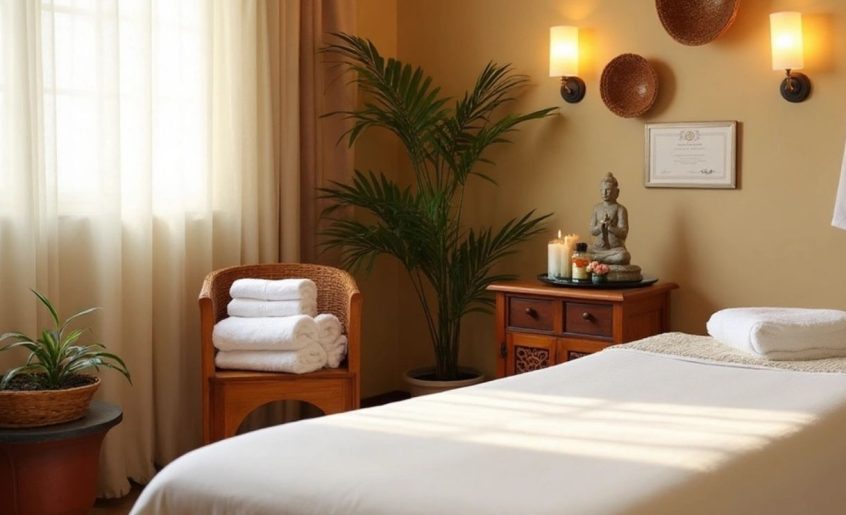
The space around you affects how much your body can relax. A calm, clean room tells your nervous system that it is safe to let go.
When you visit or look at photos and reviews, check for:
- Clean rooms and fresh linens with no stains or damp smells
- Quiet surroundings or at least soft music that covers outside noise
- Pleasant but not overpowering scents, like light essential oils
- Proper draping with towels or sheets so only the area being worked on is uncovered
Nairobi has everything from luxury hotel spas to simple local parlors. Both can be good. The key is that the place feels:
- Clean and well cared for
- Respectful and professional
- Comfortable and private enough for you to relax
If you are unsure, you can:
- Visit the lobby or reception before booking to get a feel for the place
- Read recent reviews that mention cleanliness, privacy, and staff behavior
- Call and ask how they handle modesty, draping, and gender preferences for therapists
When the environment feels safe and calm, your muscles unclench faster and the massage works better.
Prices, packages, and how often to get a massage
Massage in Nairobi comes in a wide price range. The cost depends on:
- Type of massage
- Session length
- Location of the spa
- Level of luxury and extra facilities
In general:
- Higher-end spas in hotels or malls charge more, but often include extras like steam rooms, fancy showers, and more time for relaxation.
- Neighborhood parlors and smaller wellness centers are usually more budget-friendly, and many still offer very good massage.
If you plan to go often, ask about:
- Packages, such as 3, 5, or 10 sessions at a lower rate per visit
- Memberships, where you pay monthly and get a set number of massages
- Off-peak offers, like weekday or morning discounts
For frequency, a simple guide is:
- Once a month for general maintenance and stress relief
- Every 2 to 3 weeks if you are under heavy stress or have ongoing tension
- Weekly or every 10 days during intense training phases, if your budget and health allow
Listen to your body and your wallet. Regular massage should support your life, not become another source of stress.
Safety, health conditions, and when to speak to a doctor
Massage is generally safe for healthy people, but it is not suitable for every situation. You protect yourself when you share honest information before the session.
Always tell your therapist if you have:
- Existing injuries or joint problems
- Pregnancy, especially in the first trimester
- Recent surgery or major medical procedures
- Long-term conditions like diabetes, arthritis, or circulation problems
- Any allergies to oils or scents
Some situations need a doctor’s advice before you book:
- Serious heart problems or chest pain
- Uncontrolled high blood pressure
- Major recent injuries, strong swelling, or suspected fractures
- Active skin infections, open wounds, or rashes over large areas
- Blood clot history or serious circulation issues
During the massage, speak up if pressure feels wrong. A strong stretch or a “good pain” is one thing, but sharp, electric, or burning pain is a red flag. You can say:
- “That feels too strong, please go lighter there.”
- “I am feeling real pain, can we stop or change the technique?”
Massage can support health, but it does not replace doctors, physiotherapists, or other medical professionals. For diagnosis, scans, or treatment plans, always see a licensed medical provider, then use massage as part of your wider care plan.
What to Expect During Your First Massage in Nairobi
Your first massage in Nairobi can feel a bit unknown, especially if you are not sure what actually happens. Knowing the basic steps makes it easier to relax, speak up, and enjoy the session instead of worrying about what comes next.
Before your session: booking, questions, and preparation
Most places that offer massage in Nairobi let you book in three simple ways: phone call, website, or messaging apps like WhatsApp. Choose what feels easiest, but keep your goal in mind while you book, for example, relaxation, pain relief, or sports recovery.
When you contact the spa or wellness center, it helps to ask a few clear questions:
- Type of massage: “Do you offer Swedish, deep tissue, or sports massage?”
- Length of session: “Is it 60 or 90 minutes?”
- Therapist gender: “Can I choose a male or female therapist?” if that matters to your comfort.
- Price and what’s included: “What’s the price and does it include shower time or only massage time?”
Some spas may send a short confirmation message with the time, location, and any rules, such as arrival time or cancellation policy. Save this so you can refer to it on the day.
Preparation is simple:
- Avoid a heavy meal at least 1 to 2 hours before your massage.
- If you can, take a quick shower so you feel fresh.
- Wear loose, comfortable clothes that are easy to change out of.
- Bring a bottle of water and maybe a hair tie if you have long hair.
Aim to arrive 10 to 15 minutes early. This gives you time to settle, visit the bathroom, and fill out a short health form if they use one. The form usually asks about injuries, medical conditions, allergies, and areas you want the therapist to avoid. Be honest, since this is how they keep you safe and tailor the session to you.
During the massage: privacy, communication, and comfort
Once you meet your therapist, they will usually ask a few quick questions about how you feel and what you want from the session. Many will repeat your main goal, for example, “So we focus on your back and shoulders, with medium pressure?” so you both agree on the plan.
Then the therapist will:
- Show you the room and the massage table.
- Explain how much clothing to remove and where to place your things.
- Step out of the room so you can undress in private.
You can keep on whatever level of clothing you feel comfortable with. Most people remove everything except underwear, but if you feel safer in shorts or a bra, that is completely fine. The key is that you should always feel respected.
You will lie on the table, usually face down first, and cover yourself with the provided towel or sheet. When the therapist comes back in, they will drape you so that only the area they are working on is uncovered. Your chest, hips, and private areas stay covered the whole time.
During the massage, your job is to relax and communicate. It is okay to say things like:
- “Can you go a bit softer or stronger?”
- “The room feels a little cold.”
- “Could you lower or raise the music a bit?”
A good therapist will welcome feedback and adjust the pressure, pace, and focus areas. You never have to endure pain or discomfort in silence.
After the massage: how you might feel and simple aftercare
When the therapist finishes, they will tell you the session is over, then leave the room so you can get dressed in privacy. Take a moment to sit up slowly, since you might feel light or sleepy.
After a good massage in Nairobi, many people feel:
- Deeply relaxed and a bit drowsy
- Warm and loose in their muscles
- Clear in the head, almost like a gentle reset
After strong deep tissue or sports work, you might feel slightly sore later that day or the next, similar to post-workout soreness. This is usually normal and settles within a day or two.
Simple aftercare helps your body recover well:
- Drink water to support circulation.
- Avoid heavy exercise for a few hours.
- Do light stretching if it feels good.
- Give yourself time to rest if you can.
Over the next 24 hours, notice how you feel. Did your sleep improve? Did your neck or back ease up? At your next visit, share this feedback with your therapist so they can adjust pressure, timing, and focus areas to match your body better. This is how each massage in Nairobi becomes more effective and more personal over time.
Making Massage in Nairobi Part of Your Long Term Wellness Routine
Massage in Nairobi works best when it shifts from a once-a-year treat to a steady habit. When you plan it alongside movement, rest, and other healthy choices, it supports your energy, mood, and focus in a busy city.
Finding a trusted spa or therapist you can return to
Long term results start with consistency, and consistency is easier when you have a therapist you trust. When you see the same person regularly, they learn how your body reacts, where you carry stress, and what kind of touch helps you relax.
Over time, a good therapist will remember:
- Your preferred pressure level
- Areas that need extra focus, like your neck or lower back
- Any injuries or sensitive spots to avoid
You can speed this up by keeping simple notes after each session. Write down what worked well, what felt too strong, and how you slept or moved the next day. At your next visit, share a quick summary, such as, “Medium pressure on my shoulders helped, but my calves were a bit sore.” This helps your therapist fine-tune every session.
Some people feel calmer when they have two “regular” spots. For example:
- One spa close to work for quick weekday sessions
- Another near home for slower weekend visits
This gives you options without starting from zero each time. Your body starts to relax the moment you walk in, because the routine feels familiar and safe.
Combining massage with movement, rest, and healthy habits
Massage in Nairobi becomes much more effective when it fits into a simple self-care plan. Think of it as one strong piece in a bigger puzzle, not the whole solution.
You do not need a perfect routine. Small, steady habits make a huge difference:
- Move a bit every day: Walk more, take the stairs, or stretch for 5 to 10 minutes after work.
- Drink enough water: Especially on massage days, water helps your body flush waste and feel less sluggish.
- Sleep on a steady schedule: Try to keep similar sleep and wake times, even on weekends.
- Eat balanced meals: Add vegetables, lean protein, and whole grains so your body has fuel to repair.
When you combine massage with movement, sleep, and basic nutrition, tight muscles release faster and stay softer for longer. You might notice fewer headaches, lighter moods, and better focus at work or school. Massage then feels less like emergency repair and more like regular care for a body that you use hard every day.
Planning your personal massage schedule and budget
A smart massage plan respects both your body and your wallet. There is no single perfect schedule, but you can shape one around your stress, work style, and income.
Use these simple ideas as a starting point:
- Monthly maintenance: Once a month is great if you have average stress and no major pain. It keeps tension from building up.
- Every two weeks during busy seasons: If you are working long hours, in exam season, or going through a tough time, every 2 weeks can help you stay calm and mobile.
- Short focused series: If you are training for a race or new workout plan, you might book 3 to 4 sessions closer together, for example weekly, then return to a slower rhythm after.
If money is tight, do not dismiss massage in Nairobi completely. Even one or two carefully timed sessions can reset your body and help you sleep, especially after a very stressful period.
You can also:
- Choose shorter sessions, like 45 minutes, focused on key areas
- Book off-peak or weekday slots when prices are lower
- Mix in home stretching and self-massage between visits
Review your plan every few months. As your body changes and your life shifts, your schedule can shift too. The goal is not perfection, it is a routine that feels realistic and keeps you steady, healthy, and happier in the middle of Nairobi life.
Conclusion
Massage in Nairobi gives you real options, whether you want stress relief, pain management, or steady support for your health. From Swedish and aromatherapy to deep tissue, sports, and reflexology, there is a style for almost every body, schedule, and budget in the city.
When you choose the right type of massage, a trusted therapist, and a clean, comfortable spa, the benefits compound over time. Muscles soften, sleep improves, headaches ease, and your mood feels more stable. You do not have to fix everything at once. Even one well-planned session can be the reset your body has been asking for.
The real win comes when you treat massage in Nairobi as regular self care, not just a once-a-year treat. A simple routine, even once a month, can help you handle traffic, work, and family demands with a calmer mind and a more relaxed body.
Listen to your body, notice where you feel tight or tired, and start small if you are unsure. Book a style that matches your goal, give clear feedback to your therapist, and see how you feel afterward. If it helps, make it part of your routine and let self care become a normal, non-negotiable part of your life in Nairobi.