Kilimani is busy, bright, and always moving. Between long workdays, traffic on Ngong Road, and hours on screens, your body and mind can feel worn out before the week is even over. That is why massage in Kilimani is quickly becoming a favorite reset button for people who live and work here.
People are booking sessions not just for relaxation, but for real stress relief, neck and back pain, better sleep, and simple self-care that fits into a lunch break or evening slot. With so many spas, apartments turned into wellness studios, and mobile therapists, it is easier than ever to find a style that suits you, from Swedish to deep tissue and more.
This simple guide will walk you through the key benefits of massage in Kilimani, the most popular types you will find in local spas, and how to pick a therapist or spa you can trust. You will also learn what actually happens in a session, what to say to your therapist, and how to get the most value out of every massage.
By the end, you will have a clear idea of where to start, what to expect, and how to use massage in Kilimani as part of a healthy, long-term self-care routine, not just a once-a-year treat.
Why Choose Massage in Kilimani for Your Body and Mind
Massage in Kilimani is not just a treat after a long week. It can be a simple, steady way to keep your body loose, your mind calm, and your energy up, even with Nairobi traffic and long office hours. When you book a massage close to where you live or work, it becomes much easier to turn self-care into a real habit, not a rare luxury.
Health benefits you feel right away and over time
The first thing most people notice after a good massage is that their body just feels lighter. Muscles that were tight and sore begin to soften, and simple movements like turning your neck or lifting your arm feel easier.
Some of the key physical benefits include:
- Better blood flow that brings more oxygen and nutrients to your muscles. This helps reduce that heavy, tired feeling in your legs and back after walking in the sun or standing in queues.
- Less muscle tightness in your neck, shoulders, and lower back, which often come from long hours on a laptop or sitting in Nairobi traffic.
- Fewer headaches, especially tension headaches that start at the back of the neck and creep up to your temples.
- Improved posture, since relaxed muscles make it easier to sit and stand upright without forcing it.
- Faster recovery after workouts, runs, or gym sessions, because massage helps clear out stiffness and supports joint movement.
The mental and emotional benefits build up too:
- Lower stress levels, as your nervous system shifts from “fight or flight” mode into a more relaxed state.
- Calmer mind, with less mental noise and worry, which helps you think and make decisions more clearly.
- Better sleep, because a relaxed body makes it much easier to fall asleep and stay asleep.
Think about an office worker in Kilimani who spends all day on Zoom calls, then another hour in traffic heading home. A weekly massage can ease their stiff neck, reduce back pain, and quiet the racing thoughts before bed. A parent in Kilimani juggling school runs, errands, and work will often notice fewer headaches, better sleep, and more patience with their kids after regular sessions.
These are not one-time magic fixes. When you get massage often enough, the benefits stack up, and your “normal” starts to feel a lot more comfortable.
Why getting a massage close to home in Kilimani matters
Where you get your massage is just as important as the massage itself. Having trusted therapists in Kilimani makes it far easier to stay consistent, which is how you get long-term results.
When your spa or therapist is nearby:
- You spend less time in traffic before and after your session.
- You do not undo the relaxation by sitting for another hour in a matatu or behind the wheel.
- You can squeeze a session into real-life gaps, like a lunch break, a slow afternoon, or after work before heading home.
For many people in Kilimani, life is busy and schedules change a lot. Kids need to be picked up, meetings run late, or it suddenly rains. A nearby spa means you can still keep your massage routine, even when the day does not go as planned.
There is also the comfort of familiar faces and safe spaces. When you visit the same place close to home, you build trust with your therapist. You feel more relaxed sharing where it hurts, how your week has been, and what kind of pressure you like. That honesty helps them give you better, more targeted care each time.
Over a few weeks, regular massage in Kilimani can become part of your normal routine, just like going to the gym or doing your evening walk. It fits your Nairobi life instead of fighting against it, which makes looking after your body and mind feel simple and sustainable.
Popular Types of Massage in Kilimani and Who They Are Best For
When you start looking for massage in Kilimani, the menu can feel a bit confusing. Swedish, deep tissue, hot stone, aromatherapy, reflexology, couples massage, it is a lot of choice. This quick guide breaks each style down so you can pick what matches your body, your mood, and your week.
Swedish massage in Kilimani: Gentle full body relaxation
Swedish massage is the classic spa massage. It uses long, flowing strokes, light to medium pressure, and slow, steady movements that calm your whole system.
A typical session starts with your therapist checking in about pressure and any sore spots. You lie on a padded table, covered with a sheet, and they uncover only the area they are working on. Expect:
- Smooth, gliding strokes along your back, legs, and arms
- Gentle kneading around the shoulders and neck
- Light stretching and joint movement
If you want a relaxing massage in Kilimani, this is usually the best first step. It helps:
- Ease light muscle tension from daily life
- Calm a restless mind after a long week
- Improve sleep and general mood
Swedish massage is perfect if you are new to massage, have no major injuries, and mainly want to unwind and reset.
Deep tissue massage: Strong pressure for tight muscles and pain
Deep tissue massage uses slower, firmer pressure to reach deeper layers of muscle and connective tissue. It focuses less on full-body pampering and more on problem areas.
Therapists often work on:
- Stiff necks from laptop work
- Tight shoulders from stress or driving
- Sore lower backs from sitting all day
- Heavy, tight legs after gym training or running
The pressure can feel intense at times, but it should not feel sharp or unbearable. A dull, “good” ache is normal during deep work. Pain is not.
The most important rule is to speak up. If the pressure is too much, say so. A good therapist will adjust right away and work with your comfort level. Choose deep tissue when you want relief from stubborn knots, not just light relaxation.
Hot stone and aromatherapy massage: Extra comfort for busy minds
Hot stone massage adds warm, smooth stones to a gentle or Swedish-style massage. The therapist places the stones on your back, hands, or feet, then uses them to glide along tight muscles.
The warmth:
- Loosens stiff, tense areas
- Improves blood flow
- Helps your body relax faster
It is ideal if you feel cold, achy, or very stiff, especially in rainy or cool weather.
Aromatherapy massage uses essential oils, such as lavender for sleep, citrus for energy, or eucalyptus for clear breathing. The therapist blends the oils into the massage oil and sometimes lets you inhale the scent at the start.
This style is great if you feel:
- Mentally drained or overwhelmed
- Stressed from work or family demands
- Wired at night and struggling to switch off
If you want a relaxing massage in Kilimani that targets both body and mind, hot stone or aromatherapy offers a deeper sense of comfort.
Reflexology and foot massage: Quick relief for tired feet and full body balance
Reflexology is a focused treatment for the feet or hands. The idea is simple. Certain points on your feet link to different parts of the body. By pressing and holding those points, the therapist aims to support overall balance and ease.
In practice, reflexology feels like:
- Firm thumb pressure on specific spots on your feet
- Gentle stretching of the toes and arches
- A mix of strong and soothing strokes on the soles and ankles
With all the walking, standing, and waiting in traffic, feet in Kilimani take a beating. A focused foot massage can feel like a full reset, even in a shorter 30 to 45 minute slot.
It is a smart choice if you:
- Stand all day at work
- Wear tight shoes or heels
- Want a quick after-work treat without a full-body session
Couples massage in Kilimani: Share a calming experience
A couples massage is simply two people having a massage in the same room, at the same time, each with their own therapist. The lights are usually soft, the room is quiet, and you relax side by side.
It works well for:
- Couples who want to reconnect and slow down together
- Close friends who want a shared self-care treat
- Family members celebrating a birthday or special day
You can each choose your own style, for example, one person gets Swedish while the other chooses deep tissue. You still share the time, the calm space, and the feeling of leaving lighter.
If you want a massage in Kilimani that combines relaxation with quality time, a couples session turns self-care into a shared memory instead of a solo break.
How to Choose the Best Massage in Kilimani for Your Needs
The right massage in Kilimani should match your body, your mood, and your lifestyle, not just your budget. A little planning before you book helps you avoid random choices and gets you closer to the results you want, whether that is deep relaxation, pain relief, or faster recovery after workouts.
Start with your goal: Relax, heal, or recover
Before you look at any spa menu, decide what you want from your session. A clear goal makes it much easier to choose the right type of massage, therapist, and session length.
If your main goal is to relax and reduce stress, you want something calm and soothing.
- Choose: Swedish, aromatherapy, or hot stone massage.
- Session length: 60 minutes for a full reset, 90 minutes if you are very tense or sleep-deprived.
- Focus: Slow strokes, light to medium pressure, quiet room, soft music.
If your main goal is to ease pain and stiffness, you need focused work on problem areas.
- Choose: Deep tissue, sports massage, or a mix of Swedish with extra focus on the neck, shoulders, or lower back.
- Session length: 60 to 75 minutes for one or two trouble spots, 90 minutes if your whole back or legs feel tight.
- Focus: Medium to firm pressure, clear communication about pain levels, attention to posture and daily habits.
If your main goal is to support fitness and recovery, think about how often you train.
- Choose: Sports massage, deep tissue, or focused leg and back work after gym sessions or runs.
- Session length: 45 to 60 minutes on a regular basis, especially around heavy training days.
- Focus: Muscle recovery, joint movement, stretching, and clearing lactic acid.
When you are honest about your goal, you stop guessing and start booking sessions that actually fit your life in Kilimani.
What to look for in a safe and professional spa or therapist
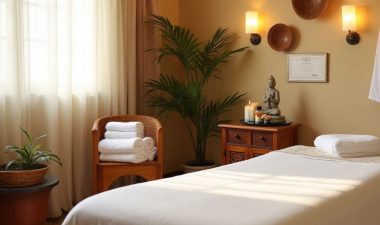
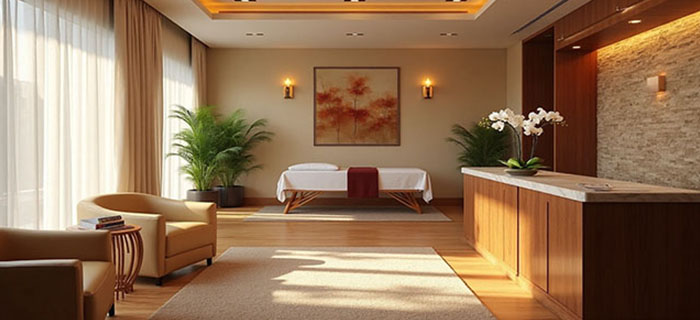
A good spa should feel clean, organized, and respectful from the moment you walk in. You should feel safe, not unsure or rushed.
Look for signs of professionalism like:
- Clean rooms with no strong bad smells, dust, or clutter.
- Fresh linens on the table for every client, with towels that look and smell clean.
- Clear prices shown on a menu, website, or at reception before you pay.
- Respectful staff who greet you calmly, listen to you, and do not pressure you into extras.
- Good communication before and during the session about pressure, areas to focus on, and any pain.
Do a quick safety check:
- Read online reviews and look for repeated comments about cleanliness and staff behavior.
- Ask how long the therapists have been practicing and whether they have any formal training or certificates.
- Check that the spa follows basic hygiene rules, such as hand-washing, sanitizing, and changing sheets between clients.
If something feels off, trust your gut and walk away. Your body and privacy are more important than any special offer.
Questions to ask before you book a massage in Kilimani
A short call or WhatsApp chat can save you time, money, and frustration. Use simple questions to see if the spa or therapist fits your needs.
Good questions to ask include:
- What types of massage do you offer, and which one is best for stress, pain, or recovery?
- How long are your sessions: 30, 45, 60, 75, or 90 minutes?
- What are your price ranges, and what is included in the fee?
- Can you recommend a therapist who works with back pain, sports recovery, or gentle relaxation?
- What should I bring: a change of clothes, flip-flops, or anything else?
- Do you have any rules about arrival time, late arrivals, or cancellations?
Always mention:
- Any health issues like high blood pressure, diabetes, or recent surgery.
- Injuries such as sprains, slipped discs, or recent accidents.
- Pregnancy, even in the first trimester, so they can guide you to a safe treatment.
A good spa will guide you, adjust the massage, or even say no if it is not safe that day. That honesty is a good sign.
Budget tips: Getting good value without cutting quality
Price matters, but it should not be the only thing you look at when choosing massage in Kilimani. Your goal is fair pricing with safe, skilled service.
Smart budget tips:
- Look for weekday or morning offers, which are often cheaper than evening or weekend slots.
- Ask about package deals if you plan to go often, such as weekly or biweekly sessions.
- Choose shorter but regular massages, for example, 45 minutes every week, instead of one very long session every few months.
Be careful with prices that seem too low compared to other places in Kilimani. Very cheap massages can mean:
- Poor hygiene or old, reused linens.
- Untrained or poorly trained staff.
- Rushed sessions that start late and end early.
Paying a little more for a clean space, trained therapists, and respectful service often gives you far better value than chasing the lowest price on the list.
What to Expect During Your First Massage in Kilimani
Your first massage in Kilimani should feel calm, safe, and unrushed. When you know what will happen before, during, and after, it is much easier to relax and enjoy the full experience.
Before your session: Booking, arrival, and simple preparation
The experience starts when you book. Most Kilimani spas let you call, text, or message them on WhatsApp. They will ask what type of massage you want, how long you prefer, and what time works for you. If you are not sure, just say what you need help with, such as stress, back pain, or sore legs, and they will suggest a session for you.
When you arrive, reception will greet you and confirm your name, time, and treatment. In most places you will fill out a short form. It usually covers:
- Your basic details
- Any health conditions, such as high blood pressure, diabetes, or pregnancy
- Areas that feel painful or sensitive
- Areas you want the therapist to avoid
This form helps the therapist keep you safe and focus on what matters most to you. You will then have a quick chat with the therapist about your goals, for example, deep relaxation or relief for your lower back.
A bit of simple preparation makes a big difference:
- Food: Avoid a very heavy meal right before your massage. A light snack is fine, but a full plate of nyama choma or fries can make you feel uncomfortable on the table.
- Water: Drink some water before and after. Good hydration helps your muscles respond better.
- Timing: Try to arrive 10 to 15 minutes early. This gives you time to use the washroom, fill in the form, and slow down before the session starts.
- Clothes: Wear comfortable, easy-to-change clothes, such as a T-shirt and loose pants or a simple dress.
A calm arrival sets the tone for the whole massage in Kilimani experience.
During the massage: Privacy, comfort, and communication
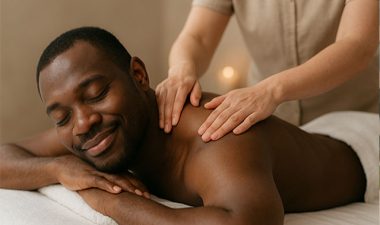
Once in the room, your therapist will explain how the session will flow. They will step out so you can change in private. You will usually remove most clothing, keeping your underwear on, then lie on the table and cover yourself with a sheet or towel.
Your privacy is a top priority. Only the area being worked on is uncovered at any time. For example, if the therapist is working on your back, your legs and hips stay covered. When it is time to work on your legs, your back will be covered again.
You control the experience. Speak up at any time about:
- Pressure that feels too light or too strong
- Room temperature that feels too hot or too cold
- Music that is too loud or distracting
- Any pain, ticklish spots, or emotional discomfort
A good therapist will ask for feedback during the massage, and guide you with simple instructions like, “Please take a deep breath,” “You can relax your shoulders,” or “When you are ready, turn onto your back.” They will also hold the sheet or towel as a shield while you turn, so you stay covered and comfortable.
Try to let your muscles soften into the table and breathe slowly. You do not need to chat unless you want to. The more you relax, the more your body benefits.
After the massage: How you might feel and simple aftercare
When the session ends, the therapist will let you know and then leave the room so you can dress in private. Take your time getting up from the table. Many people feel very relaxed, a bit sleepy, or slightly light headed for a few minutes. Your muscles may feel loose, warm, or a little tender, especially after a deep tissue session.
Simple aftercare helps you hold onto that good feeling:
- Drink water to support circulation and help flush out waste from your muscles.
- Take a short, gentle walk if you can. This helps your body adjust and keeps you from feeling too drowsy.
- Avoid heavy workouts right after your massage. Give your body at least a few hours, or even a full day, before intense training.
If you enjoyed the result, ask your therapist when to come back. Many people do well with a session every 2 to 4 weeks. If you have ongoing pain, stress, or a fitness program, more regular massage in Kilimani, such as weekly or every two weeks, can support long-term change rather than just a quick fix.
How Often Should You Get a Massage in Kilimani and How to Build a Routine
Massage in Kilimani works best when it fits your real life, not someone else’s perfect wellness plan. You do not need a huge budget or endless free time. You just need a simple schedule that matches your stress, your body, and your wallet.
Think of massage like brushing your teeth. One visit helps, but regular care keeps problems from building up.
Choosing the right massage schedule for your life
There is no single “correct” number of sessions. A good routine is one you can afford and stick to for a few months, not one intense week then nothing for the rest of the year.
Here are simple options that work well for most people in Kilimani:
- Once a month for general wellness
This suits you if you are mostly okay, just a bit stiff or tired from screens and traffic.
- Great for office workers who sit all day but do not have strong pain.
- Helps you reset your muscles, sleep better, and manage stress before it piles up.
- Every 2 weeks for ongoing stress or posture issues
Choose this if you often feel tight neck, sore shoulders, or low back pain from desk work.
- Works well for people with long hours at the office or business owners under pressure.
- Two sessions a month give the therapist time to track your progress and adjust.
- Many chronic headaches and posture problems ease a lot with this schedule.
- Weekly for short periods during high stress or recovery
This is ideal as a short program, for 4 to 8 weeks.
- Perfect for athletes training hard, such as runners or gym lovers with heavy leg and back work.
- Helpful for people with long-term pain who are also doing physio or doctor-guided rehab.
- Useful during peak stress seasons, like year-end deadlines or exams, then you can scale back.
Even one well-chosen session can break a pain cycle or give your mind a real reset. Regular massage in Kilimani, even on a simple monthly plan, turns that one-time relief into long-term change. Start with what you can manage, then adjust with your therapist as your body responds.
Combining massage with healthy daily habits
Massage works better when your daily habits support it. You do not need a full gym routine. Small, realistic changes around Kilimani make a big difference.
Try a few of these:
- Short daily stretching
Spend 3 to 5 minutes in the morning or evening. Focus on your neck, shoulders, chest, and hips. Simple moves like rolling your shoulders, turning your head side to side, and gentle hip stretches keep muscles from locking up again. - Light walking breaks
Use short walks between offices, to the mall, or from the matatu stop as mini workouts. A 10-minute walk after work helps your joints and clears your head. - Drink enough water
Carry a small bottle in your bag. Sip during the day, especially if you drink coffee or tea often. Hydrated muscles respond better to massage and feel less sore. - Better desk posture
Keep your screen at eye level, feet flat on the floor, and hips pushed to the back of the chair. Every 45 to 60 minutes, stand up, stretch, or walk for one or two minutes. These tiny breaks protect your neck and lower back. - Simple breathing exercises
When stress spikes, sit comfortably, close your eyes, and breathe in through your nose for 4 seconds, out for 6 seconds. Repeat for one or two minutes. This calms your nervous system so your body holds less tension between sessions.
When you mix a realistic massage routine with these small daily habits, your results last longer. Your body stays looser, your mind feels lighter, and each massage in Kilimani builds on the last one instead of starting from zero every time.
Conclusion
Massage in Kilimani gives you a simple, reliable way to manage stress, ease pain, and support your overall wellness without leaving your neighborhood. When you start with a clear goal, choose a style that matches your body and mood, and pick a clean, professional spa, each session starts to feel more like health care and less like a random treat.
Your first session does not have to be perfect; it just needs to show you how your body responds when someone skilled works on your muscles with your needs in mind. From there, you can adjust the style, pressure, and frequency until it fits your life and budget.
If your days feel heavy on your shoulders, your lower back is always tight, or your mind never quite switches off, consider booking that first massage and seeing how you feel after. Let it be one small, kind step toward a simple self-care routine, not a once-a-year luxury you have to “earn.”