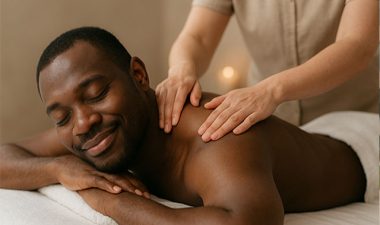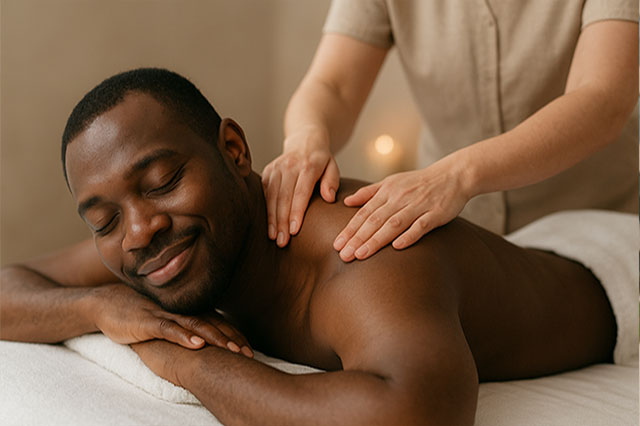
https://nairobiraha.com/massageIf you love firm pressure and that “good pain” that releases stubborn knots, Deep Tissue Massage is probably your happy place. If you are just curious, think of it as a focused, slow, and strong massage that targets the deeper layers of muscle and fascia, not just the surface where a relaxing spa massage usually stays.
People who book deep tissue sessions often have tight shoulders from long hours at a desk, sore legs from running or gym workouts, or nagging tension that never seems to ease. It is also common for athletes, manual workers, and people living with chronic neck, back, or hip pain to choose this style, because it aims at problem areas rather than full-body pampering.
Deep tissue work feels different from a classic spa massage. The pace is slower, the strokes are more precise, and the pressure goes deeper on purpose to break up tension and trigger points. It can feel intense at times, but it should not feel sharp, burning, or unsafe, and your therapist should always adjust based on your feedback.
In this guide, you will learn how Deep Tissue Massage can help with pain relief, posture, and recovery, and where its limits are. You will see the main benefits, possible side effects and risks, what actually happens in a session, and how to get the most from your treatment. You will also get simple tips on how to choose a skilled, qualified deep tissue massage therapist in Nairobi so you feel confident before you book.
What Is Deep Tissue Massage And How Is It Different From A Regular Massage?
Before you book a Deep Tissue Massage, it helps to know what it actually is, how it feels, and how it compares with a regular, spa-style massage. Once you understand the basics, it gets much easier to choose the right style for your body and your goals.
Simple Definition Of Deep Tissue Massage
Deep Tissue Massage is a style of massage that uses slow, firm pressure to reach deeper layers of muscle and connective tissue, also called fascia. Instead of only working on the surface, it goes down into the tight, stuck areas that cause pain, stiffness, and that “locked” feeling in your body.
A simple way to think about it:
- Swedish or relaxation massage is like gently ironing the top of your clothes.
- Deep Tissue Massage is like pressing harder to smooth out the thick folds and creases underneath.
During a Deep Tissue Massage, your therapist will often:
- Move slowly over each area instead of rushing across the whole body.
- Use thumbs, knuckles, forearms, or elbows to apply focused pressure.
- Follow the line of the muscle or fascia to find knots and trigger points.
You may feel:
- A strong, heavy pressure that can be intense but should still feel helpful.
- A “good pain” that feels like something is finally releasing.
- Areas that feel tender for a short time, then looser and lighter afterward.
Deep Tissue Massage is not about causing pain for the sake of it. It is about targeted pressure that helps your muscles relax from the inside out. You are always in control. You can ask the therapist to reduce or increase pressure, or skip an area that feels too sensitive.
When you leave, you might feel a bit sore, similar to how you feel after a strong workout, but you should also notice more freedom of movement and less tightness in your problem spots.
Deep Tissue Massage vs. Swedish Massage: Key Differences
Swedish massage is the style most people think of when they imagine a spa massage. It is smooth, flowing, and very relaxing. Deep Tissue Massage is more focused, heavier, and often used to address pain or long-term tension.
Here is a simple comparison to make it clear:
| Feature | Deep Tissue Massage | Swedish Massage |
|---|---|---|
| Main goal | Pain relief, muscle recovery, release knots | Relaxation, stress relief, general comfort |
| Pressure level | Medium to very firm | Light to medium |
| Pace | Slow, focused on problem areas | Steady, flowing, covers larger areas |
| Techniques | Firm pressure, stripping, trigger point work | Long gliding strokes, kneading, gentle taps |
| Feel during session | Intense, “good pain”, deep pressure | Soothing, calming, often sleepy |
| Feel after session | Looser but sometimes sore for 1–2 days | Relaxed, calm, rarely sore |
Deep Tissue Massage is usually the better choice if you:
- Have chronic neck, back, or shoulder tension.
- Sit at a desk all day and feel “knots” that never go away.
- Work out often and need help with muscle recovery.
- Want a massage that focuses on problem areas, not full-body pampering.
Swedish massage is usually the better choice if you:
- Feel stressed, overloaded, or mentally tired.
- Want to relax, switch off, and maybe even nap on the table.
- Prefer gentle to medium pressure with less intensity.
- Are new to massage and want to start with something lighter.
You can also mix the two. Many therapists blend Swedish strokes to warm up the body, then add Deep Tissue Massage techniques on specific tight spots. If you like strong pressure but still want some relaxing flow, you can ask for this kind of combination.
Who Deep Tissue Massage Is Best For (And Who Should Avoid It)
Deep Tissue Massage is powerful, so it works very well for some people and less well for others. It is not a “one size fits all” treatment.
People who often benefit the most include:
- Athletes and runners: Great for muscle recovery, tight calves, hamstrings, and hip flexors.
- Gym lovers and lifters: Helps with sore backs, shoulders, and glutes from heavy training.
- Office workers: Perfect for stiff necks, tight upper backs, and sore lower backs from long sitting.
- People with old injuries: Can help with long-term tightness after sprains, strains, or past accidents, once fully healed.
- People with chronic muscle tightness: If you always feel “tight” or “stuck”, deep work on fascia and muscle can bring real relief.
In busy cities like Nairobi, many people combine long commutes, traffic, and desk work. That mix often leads to stubborn neck and back tension. Deep Tissue Massage can be a strong ally if you want more than simple relaxation.
However, some people should be careful or talk to a doctor before booking a session.
You should avoid or delay Deep Tissue Massage, or get medical advice first, if you:
- Had recent surgery: The area needs time to heal. Deep pressure on fresh scars or healing tissue can cause damage.
- Have a recent fracture or serious injury: Bones and tissues must be stable before any strong massage.
- Have a bleeding disorder or take blood thinners: Firm pressure can increase the risk of bruising or bleeding.
- Have severe osteoporosis: Strong pressure can be unsafe for fragile bones.
- Are pregnant: Pregnancy massage is usually gentler. Some trained therapists can use deeper work in safe areas, but you must mention pregnancy before the session.
- Have skin infections, rashes, or open wounds: These areas should not be massaged.
- Have uncontrolled medical conditions such as very high blood pressure, serious heart problems, or uncontrolled diabetes: Always talk to your doctor first.
If you are not sure, say so during booking. A good therapist will ask about your medical history, listen to your concerns, and tell you honestly if Deep Tissue Massage is a good fit or if a softer style would be safer.
The goal is not just strong pressure. The goal is the right pressure for your body, at the right time, so you feel better, not worse, after your massage.
Benefits Of Deep Tissue Massage For Pain, Stress, And Recovery
Deep Tissue Massage is not just about strong pressure. When it is done well, it can help your body feel lighter, move better, and recover faster from daily strain. The focus is on real-life results you care about: less pain, easier movement, better workouts, and deeper rest afterward.
Let us look at the most common benefits people notice, and how they play out in day-to-day life.
Relieving Chronic Muscle Pain And Stiffness
Chronic muscle pain often comes from the same story on repeat. You sit all day, hunch over a laptop, grip a steering wheel in traffic, or stare down at your phone. Over time, certain muscles stay switched on and tight, almost like they forgot how to relax.
Deep Tissue Massage helps by using slow, firm pressure to reach those deeper layers where stubborn knots and trigger points live.
Here is what that can do for you:
- Release muscle knots: Knots are tight spots that feel like small, sore lumps under your skin. A therapist may hold steady pressure on these areas so the muscle fibers can gradually let go.
- Reduce trigger points: Trigger points are tender spots that can cause pain in other areas. For example, a knot in your upper back can send pain into your neck or head. Focused pressure can calm those points and break that pain pattern.
- Ease long-term tension: When tight areas in the neck, shoulders, lower back, or hips soften, the whole area often feels lighter and more open.
You might notice:
- Less burning or aching between your shoulder blades after long desk days.
- Fewer “locked” feelings in your neck when you check your mirrors or look over your shoulder while driving.
- Less dull, nagging pain in your lower back when you stand up from a chair.
- Less pressure across your hips when you walk, climb stairs, or sleep on your side.
Deep Tissue Massage is especially helpful for people who:
- Sit at a computer most of the day.
- Drive often or sit in traffic for long periods.
- Spend a lot of time on their phone with their head down.
- Do physical work that loads the same muscles over and over.
Chronic pain rarely appears overnight, and it rarely disappears in one visit. Many people feel relief after the first session, but long-term pain often needs several sessions to change. Think of it like training your muscles to relax again. With each session, they learn a new, healthier pattern.
Consistency matters. A plan of regular Deep Tissue Massage, even once or twice a month, can make a big difference to daily comfort.
Improving Flexibility, Posture, And Range Of Motion
Tight muscles act like short, tense rubber bands. They pull your body out of balance and limit how far you can move. When muscles and fascia (the thin tissue that wraps around them) are stuck, your body has to work harder to do simple things.
By freeing up those tight areas, Deep Tissue Massage can help:
- Improve flexibility: Looser muscles can stretch more easily.
- Support better posture: When overworked muscles relax, your body can sit and stand in a more natural, upright way.
- Increase range of motion: Joints like your neck, shoulders, hips, and knees can move through a fuller, smoother range.
In daily life, that might look like:
- Turning your head more easily when reversing the car, without that sharp pull on one side.
- Reaching overhead to grab something from a shelf without feeling a pinch in your shoulder.
- Squatting down to pick up a child or a box without your knees or lower back barking at you.
- Walking with a more relaxed stride instead of a stiff, guarded step.
A lot of postural strain comes from common habits, not “bad posture” in a moral sense. You might:
- Lean toward your phone.
- Shrug your shoulders when stressed.
- Cross the same leg when you sit.
- Carry a bag on one shoulder every day.
Deep Tissue Massage helps by:
- Softening overworked muscles in the chest, neck, hip flexors, and lower back.
- Allowing weaker or stretched muscles to start doing their job again.
- Giving your body a chance to “reset” into a more balanced shape.
You do not need to aim for perfect, military-style posture. The goal is comfortable, easy alignment so your body moves without fighting itself.
Supporting Workout Recovery And Sports Performance
If you love the gym, running, cycling, or sports, you already know the mix of sore, tight, and tired muscles that can show up after a hard session. Some soreness is normal. The problem comes when tension sticks around and starts to change how you move.
Deep Tissue Massage can be a strong partner for your training, as long as you treat it as support, not a magic fix.
Here is how it helps active people:
- Eases post-workout soreness: Strong, slow strokes help move fluid and increase circulation, which can reduce that heavy, tight feeling in worked muscles.
- Helps prevent injury: When muscles and fascia move better, your joints track more smoothly. This can lower the risk of strains from stiff or overused areas.
- Supports better movement patterns: If your quads or hip flexors are too tight, for example, your lower back might take over during squats or deadlifts. Releasing those tight spots helps your body share the load more evenly.
- Makes warm-ups feel easier: When your muscles are less bound up, light stretching and mobility work before a workout often feel smoother.
To keep it real, Deep Tissue Massage works best alongside good habits:
- Rest: Your body needs sleep and off-days to rebuild.
- Hydration: Muscles work and recover better when you are hydrated.
- Good form: Clean technique in the gym or on the field will always beat any massage.
Timing also matters:
- After a heavy workout or event, a firm Deep Tissue Massage is usually best later that day or in the next few days, not right away at full pressure.
- Before a big race, match, or powerlifting day, most people prefer lighter work or a shorter, focused tune-up. Very deep work right before a big effort can leave you feeling heavy or slightly fatigued.
- On rest days or lighter training days, a deeper session can slot in nicely as part of your recovery plan.
Think of Deep Tissue Massage as your body’s “maintenance session.” Just like you would service a car that you drive hard, you can keep your muscles in better shape when you look after them regularly, not only when something hurts.
Helping With Stress Relief And Better Sleep
Deep Tissue Massage has a strong, physical focus, but the benefits are not only in your muscles. Your nervous system also responds in a powerful way.
During the session, some strokes may feel intense. You might notice deep pressure, mild soreness, or “good pain” as knots release. Even so, your nervous system often starts to shift from a stressed, “fight or flight” state into a calmer, “rest and digest” state.
Many people report:
- A heavy, relaxed feeling in their body after the session.
- A quieter mind, with fewer racing thoughts.
- A sense of emotional release, like they finally exhaled after a long week.
- Feeling pleasantly tired and ready for bed later that night.
This can support:
- General stress relief: Muscles that are not clenched all the time send a different message to your brain. Your body feels safer, so it can relax.
- Better sleep quality: When your body is looser and your mind is calmer, it is often easier to fall asleep and stay asleep. You may not sleep longer, but sleep may feel deeper or more restful.
- A reset for “tension habits”: If you usually hold your shoulders up by your ears when stressed, deep work around the neck and upper back can break that pattern, at least for a while.
Deep Tissue Massage does not replace therapy, medication, or medical care. It is part of a well-being toolkit that can support your mental and physical health together.
To get the most stress relief and sleep benefits:
- Give yourself some quiet time after your massage instead of rushing back to intense work.
- Drink water, eat a light meal, and keep the rest of your day calm if you can.
- Notice how you feel that night and the next day. Many people sleep like a rock after a strong session.
When pain eases, movement improves, workouts feel smoother, and your body can finally rest, life simply feels better. Deep Tissue Massage offers a grounded, hands-on way to move toward that kind of balance.
What To Expect In A Deep Tissue Massage Session (Step By Step)
A Deep Tissue Massage session should feel structured, safe, and respectful from start to finish. Whether you book in Nairobi or any busy city, the flow is usually similar. Knowing each step ahead of time makes it easier to relax and actually enjoy that strong, focused pressure you love.
Before Your Session: Intake, Health Questions, And Goal Setting
Your session starts before you get on the table. Most therapists begin with a short intake chat or form. This is not just paperwork. It is how they decide what is safe and what will help you most.
You can expect questions like:
- Your health history, surgeries, or medical conditions
- Any current pain, stiffness, or injuries
- Medications you take, such as blood thinners
- Past massage experiences and what you liked or did not like
This is the time to be honest and specific. Instead of saying, “My back hurts,” try something like, “My lower right back hurts when I sit for long” or “My neck feels tight when I turn to the left.” Clear details help your therapist target the right muscles.
They will also ask what you hope to feel after the massage. For example:
- Less neck and shoulder pain
- Easier movement in hips or lower back
- Support with training recovery
- Deep relaxation plus strong pressure in key areas
You should also share your pressure preferences. Try using simple language:
- Light to medium
- Medium to firm
- Very firm, but not painful
If you love heavy pressure, say so, but still mention any sensitive spots. The therapist will then explain how much clothing to remove. In a typical Deep Tissue Massage, you undress to your comfort level, usually down to underwear, then lie on the table under a clean sheet or towel.
Your therapist steps out while you undress and get on the table. You are always fully draped, with only the area being worked on uncovered. This keeps things professional, private, and relaxed.
All of this intake and planning lets your therapist design a safe and helpful session instead of guessing. The more clearly you communicate, the better the results.
During The Massage: Techniques, Pressure, And Communication
Once you are on the table and draped, the therapist will check your comfort. They may ask if the face cradle feels right and whether you are warm enough. After that, the work begins.
In a Deep Tissue Massage, the techniques usually feel:
- Slow and steady: The therapist moves gradually over each area instead of rushing.
- Focused and deep: They use thumbs, fingers, knuckles, forearms, or elbows to reach tight layers.
- Layer by layer: They often warm up the surface first, then sink deeper as the tissue softens.
You might notice:
- Strong pressure that feels like a heavy, sinking weight
- A stretching or pulling feeling along the muscle
- Gentle warmth spreading through tight spots
Some discomfort is normal on stubborn knots. People often describe it as a “good pain” that makes sense, like pressing on a sore muscle that needs it. You may feel:
- Pressure that makes you want to breathe more deeply
- Short waves of intensity that ease as the muscle releases
What is not normal is sharp, burning, or electric pain. If you feel that, say something right away. A good therapist adjusts without getting offended. Deep Tissue Massage is not a test of toughness.
Useful phrases during the session include:
- “That spot is perfect, but a little less pressure, please.”
- “Can you go deeper there, it feels okay.”
- “That feels sharp, can you lighten up or move slightly.”
You are always in control. You can:
- Ask for more or less pressure
- Request a different area
- Take a break to breathe
- Stop the session if you ever feel unsafe
In cities like Nairobi, many therapists see clients with desk-related neck and back pain or sports tension. They are used to adjusting pressure for different bodies and fitness levels. Your role is to keep the communication honest so the techniques stay effective and comfortable enough to relax into.
After The Massage: How You Might Feel And Basic Aftercare
When the therapist finishes, they will usually leave the room so you can take your time getting up and dressed. You should not rush. Sit on the edge of the table for a moment if you feel lightheaded.
After a Deep Tissue Massage, common sensations include:
- Feeling lighter or “taller” in your posture
- Looser, freer movement in your neck, shoulders, or hips
- Mild muscle soreness, like after a good workout
- Sleepiness or deep calm later that day
Light soreness in worked areas is normal and should fade within a day or two. Stronger after-effects often come from heavy work on very tight muscles, especially if it is your first session or your first massage in a long time.
Simple aftercare helps your body settle and recover:
- Drink water: Helps your body process the work and stay hydrated.
- Rest a bit: Avoid intense training or heavy lifting that same day, if possible.
- Gentle movement: Light walking or easy stretching keeps you from stiffening up.
- Warm shower: Heat can soothe muscles and deepen the relaxed feeling.
If you feel strong soreness, you can try:
- A warm compress on the area
- Gentle stretching within a pain-free range
- Short, easy walks instead of sitting for long hours
You should contact your therapist, or a doctor, if you notice:
- Severe pain that gets worse over 24 hours
- Numbness, tingling, or loss of strength
- Swelling, redness, or pain that feels different from regular muscle soreness
For most people, Deep Tissue Massage works best as ongoing care, not a one-time fix. A simple guide:
- General maintenance: About once a month to keep tension under control.
- Heavy training or busy seasons: Every 1 to 2 weeks during intense gym work, sports seasons, or high-stress periods.
- Chronic pain: A short series of sessions closer together at first, then more space between as your body improves.
The goal is to find a rhythm where your body feels supported, not overloaded. When you know what to expect before, during, and after your session, Deep Tissue Massage feels less like a mystery and more like a reliable part of your self-care plan.
Is Deep Tissue Massage Painful Or Safe? Understanding Risks And Myths
Deep Tissue Massage has a strong reputation. Some people swear by it, others worry it will leave them bruised and sore for days. The truth sits in the middle: when done by a skilled therapist, it can be intense but still safe and controlled.
This section will help you tell healthy pressure from harmful pain, understand normal side effects, and clear up common myths so you can enjoy deep work with confidence.
Good Pain vs. Bad Pain During Deep Tissue Massage
Deep Tissue Massage often comes with some level of intensity. That does not mean it should feel like torture. Learning the difference between good pain and bad pain helps you stay safe and get better results.
Good pain is:
- Strong but still bearable
- Deep pressure that feels like it is hitting the right spot
- A kind of “hurts but helps” feeling
- Something you can breathe through and relax into
People often say good pain feels similar to stretching a tight muscle or rolling on a foam roller. It can be intense, but you sense relief building under the pressure.
Bad pain is very different. Bad pain is:
- Sharp, stabbing, or electric
- Burning or hot, like something is irritated
- So strong that your body tenses up or flinches
- Intense enough that you hold your breath or feel panicky
Your body gives clear signs when the pressure is wrong. Watch for:
- Shoulders creeping up toward your ears
- Clenching your jaw or fists
- Wanting to pull away from the therapist’s hands
- Forgetting to breathe or taking shallow breaths
If any of that happens, the pressure is too much. It is not a sign that the massage is “working harder,” it is a sign your nervous system feels unsafe.
A skilled Deep Tissue Massage therapist wants feedback. They should:
- Ask about pressure during the session
- Encourage you to speak up at any time
- Adjust right away if you say it is too much
Useful phrases you can use in the moment:
- “That spot is good, but please go a bit lighter.”
- “That feels sharp, can you change the angle or reduce pressure.”
- “That is too intense for me, can we move to another area.”
You never need to suffer in silence. Deep Tissue Massage should feel like strong, helpful work, not punishment. When you and your therapist communicate, you can stay on the good side of pain and still get deep, effective results.
Possible Side Effects And When To Be Careful
Even with good pressure, Deep Tissue Massage is strong work on your body, so some mild side effects are normal. Knowing what is expected and what is not helps you relax and spot any red flags.
Common, mild side effects include:
- Light soreness in treated muscles, like after a tough workout
- Tiredness or sleepiness for the rest of the day
- Temporary stiffness that eases as you move around
- Increased thirst and a stronger need for water
These usually fade within 24 to 48 hours. Gentle walking, warm showers, stretching, and good hydration often help a lot.
Sometimes your body sends warning signs that the pressure was too much, or that deep work is not right for you at that moment. Be careful if you notice:
- Strong or dark bruising over large areas
- Pain that stays sharp or intense for more than 2 days
- Swelling, heat, or redness around a joint or muscle
- Dizziness, nausea, or feeling faint during or after the massage
These are not “normal” signs of a good session. They can mean the tissue was overloaded, or that another health issue is involved. If this happens, rest, monitor your symptoms, and contact your therapist or doctor.
If you have serious health conditions, always get medical advice before booking Deep Tissue Massage. This is especially important if you have:
- Heart problems or a history of heart disease
- Blood clots or a clotting disorder
- Cancer or are currently in treatment
- Uncontrolled high blood pressure
In these cases, deeper work might need to be adjusted, limited to certain areas, or avoided. Combined care with your doctor and a skilled therapist keeps things safe.
The goal is not to scare you away from strong pressure. It is to remind you that your body’s signals matter. When you respect them, Deep Tissue Massage stays a powerful, safe tool instead of a risk.
Common Myths About Deep Tissue Massage Debunked
Deep Tissue Massage comes with a lot of stories. Some are based on old-school thinking, others on one bad experience. Clearing them up helps you enjoy the benefits without fear.
Here are some of the biggest myths, and what is actually true.
Myth 1: Deep Tissue Massage has to be very painful to work.
Fact: It does not. Helpful deep work often feels intense, but it should still feel like relief is possible. If the pain is sharp, burning, or makes you hold your breath, the pressure is too much. Your muscles relax better when you feel safe, not when you are bracing.
Myth 2: Deep Tissue Massage always causes bruises.
Fact: Occasional small bruises can happen, especially if you bruise easily, but heavy bruising is not a sign of a good massage. In most well-done sessions, you might feel sore without seeing any color change on the skin. Bruises often mean the tissue was pushed past its limit.
Myth 3: Deep Tissue Massage is only for athletes.
Fact: Athletes love it, but so do office workers, parents, drivers, and people who sit a lot. Anyone with chronic tightness, tension headaches, or a stiff back can benefit. Deep Tissue Massage is about muscle needs, not your fitness level or job title.
Myth 4: One session will fix every problem.
Fact: A single massage can make you feel much better, but long-term issues usually build up over years. It often takes a series of sessions, plus better movement habits and maybe posture changes, to create lasting change. Think of it like training a muscle to relax, not flipping a switch.
Myth 5: You should stay silent and never talk during a deep session.
Fact: You are allowed to talk. You are encouraged to talk. You can be quiet if you prefer to zone out, but speaking up about pain levels, temperature, or how an area feels is part of safe Deep Tissue Massage. Silence should be your choice, not a rule.
When you understand what deep work should and should not feel like, it becomes far less scary. You can ask for the pressure you like, step back if your body has had enough, and build a long-term relationship with deep massage that supports your health instead of stressing you out.
How To Get The Most Out Of Your Deep Tissue Massage
A Deep Tissue Massage can feel amazing in the moment, but the real win is how your body feels in the days after. A little planning before, clear communication during, and smart self-care between sessions can turn one good massage into longer lasting relief.
Before Your Appointment: Hydration, Food, And Timing
Think of your body like a sponge. When it is well hydrated, muscles respond better to Deep Tissue Massage and tend to feel less sore after.
Simple ways to prep your body:
- Sip water through the day instead of chugging a big bottle right before your session.
- Limit alcohol and very salty foods earlier in the day so you do not feel puffy or sluggish.
Food matters too. You want enough energy, but not a heavy, full stomach.
Good guidelines:
- Eat a light, balanced meal 1.5 to 3 hours before your massage.
- Avoid heavy, fried, or very spicy foods right before your appointment.
- If you are prone to low blood sugar, a small snack like fruit or nuts 30 to 60 minutes before can help.
Timing also shapes your experience. If you can, book your Deep Tissue Massage when you do not have to rush in or out.
Try to:
- Arrive 10 to 15 minutes early so you can breathe, use the restroom, and settle in.
- Plan some quiet time after your session, not back-to-back meetings.
- Wear loose, comfy clothes for the trip home so your body can stay relaxed.
When your schedule, stomach, and hydration are calm, your nervous system is calmer too, and deep work feels much more enjoyable.
Talk To Your Therapist: Clear Goals And Pressure Levels
You get more out of Deep Tissue Massage when your therapist knows exactly what you want. You do not need fancy terms. Simple, clear words are perfect.
You can share:
- Where it hurts: “My right shoulder and neck feel tight,” or “My lower back aches when I sit.”
- How it feels: dull, sharp, burning, tight, stiff, pulling.
- When it shows up: after workouts, in the morning, at the desk, while driving.
A pain scale also helps. Rate areas from 0 to 10, where 0 is no pain and 10 is the worst you can imagine. You might say, “My neck is about a 6, my lower back is a 4.”
If you have had massage before, say what worked or did not:
- “I like strong pressure, but my neck is sensitive.”
- “Last time the therapist went too deep on my calves and I was sore for days.”
- “I loved when they spent extra time on my upper back.”
During the session, keep speaking up. Deep Tissue Massage should feel strong, not overwhelming.
Mention if:
- The pressure is too light or too heavy.
- The room feels too cold or too warm.
- The music distracts you.
- The face cradle or pillow feels wrong.
This is not being picky. It is how you protect your body and get better results. Clear communication supports safety, comfort, and the quality of the deep work.
Stretching, Movement, And Self-Care Between Sessions
What you do between massages has a big effect on how long the benefits last. Deep Tissue Massage helps reset tight muscles, and daily movement helps that reset stick.
Simple ideas you can use most days:
- Take short walking breaks if you sit a lot. Even 5 minutes each hour helps.
- Do gentle stretches, not hard forcing, and breathe slowly as you move.
Easy examples:
- For desk workers: slow shoulder rolls, neck side bends, and chest stretches in a doorway.
- For drivers: hip flexor stretches, gentle twists, and glute stretches after long trips.
- For gym lovers: light stretching for the muscles you train that day, not just a quick warmup.
Self-care basics matter more than most people think:
- Aim for regular, good-quality sleep so your body can repair tissue.
- Drink enough water each day, not only on massage days.
- Notice your posture, then reset with simple cues like “soften the shoulders” or “uncurl the spine.”
Deep Tissue Massage is powerful, but it is not magic by itself. When you pair it with consistent movement, decent sleep, and small daily habits, your body holds that loose, open feeling much longer.
How Often Should You Book Deep Tissue Massage?
There is no perfect schedule that fits everyone. Your body, stress level, and goals all play a part. Use general guidelines, then adjust based on how you feel.
A simple way to think about frequency:
- For general wellness and tension control, many people like a session every 4 to 6 weeks.
- For active pain, heavy training, or sports season, weekly or every 2 weeks can help calm things down.
- For maintenance after things improve, you can often stretch sessions farther apart.
Pay attention to your own patterns. If your neck and back start to tighten again after three weeks, that is useful information. If you still feel loose and free after six weeks, you might not need to come in as often.
Listen to:
- How your body feels in daily life.
- How long relief lasts after each Deep Tissue Massage.
- Advice from a therapist who knows your history and goals.
Use these sessions as a tool, not a rule. The best schedule is the one that keeps you moving well, sleeping better, and enjoying your life without feeling like you are always catching up to your own tension.
Choosing A Deep Tissue Massage Therapist You Can Trust
Deep Tissue Massage uses strong, focused pressure, so who you choose matters a lot. The right therapist will listen, respect your limits, and help you feel safe every step of the way.
Training, Experience, And Professional Standards
Deep work is not just “pressing harder.” It needs skill, body knowledge, and clear boundaries. Proper training and certification tell you the therapist has learned how muscles, joints, and nerves work, and how to use pressure without causing harm.
When you are choosing a Deep Tissue Massage therapist, ask simple, direct questions such as:
- “Where did you study massage, and what course did you take?”
- “How many years have you been doing Deep Tissue Massage?”
- “Do you have extra training in sports, medical, or orthopedic massage?”
You do not need to know every technical term. You just want to hear clear answers that make sense. Someone who works with people in pain or with athletes should be able to explain their background in plain language.
Experience also counts. A therapist who sees a lot of clients with neck and back pain, runners, or gym users will usually read your body faster and adjust pressure better. In Nairobi and across Kenya, respected centers like Rose Massage work with trained therapists and set clear standards for privacy, consent, and hygiene. That kind of structure helps protect you.
Professional standards show up in small details:
- They explain what they can and cannot treat.
- They ask about health issues and medications.
- They are open about what Deep Tissue Massage can help with, and what needs a doctor.
When in doubt, choose the person who communicates clearly and does not rush your questions.
Signs Of A Safe, Comfortable Massage Environment
The massage space itself tells you a lot. A good environment feels calm and cared for the moment you walk in.
Look for:
- A clean reception area and tidy treatment rooms.
- Fresh linens that smell clean, not damp or dusty.
- A quiet setting with low voices and gentle music, not loud noise.
- A proper massage table, stable and at the right height.
Privacy is key. You should have a door that closes, clear draping with sheets or towels, and time to undress and dress alone. The therapist should always knock before entering and keep you covered except for the area they are working on.
Professional places often use:
- Simple intake forms for your health history.
- Clear pricing on a board, menu, or website.
- Straightforward options for session length, like 60 or 90 minutes.
You want to feel like you are in a well-run clinic or spa, not someone’s side hustle squeezed into a messy room. When the space feels safe and organized, it is easier for your body to relax and accept deep pressure.
Questions To Ask Before You Book A Deep Tissue Massage
A short chat before you book can save you from a bad fit. Use plain questions that get to the point.
Helpful ones include:
- “Do you have experience with my type of pain or sport?”
- “How do you adjust pressure if something feels too intense?”
- “What should I expect to feel during and after a Deep Tissue Massage?”
- “How long is the session, and how much does it cost?”
- “Do you offer packages if I need a few sessions?”
Listen to how they answer. Do they sound rushed or annoyed, or calm and open? Do they welcome feedback about pressure? Do they explain possible soreness afterward in a simple way?
Your gut feeling matters. If anything feels off, from the first phone call to the way they handle your questions, it is fine to keep looking. A trustworthy Deep Tissue Massage therapist will make you feel heard, respected, and fully in control of your own body.
Conclusion
Deep Tissue Massage gives your body real, physical relief, not just a quick spa moment. You now know it uses slow, firm pressure to reach deeper layers of muscle and fascia, so tight spots, knots, and old tension can finally start to let go. When it is done well, you feel less pain, easier movement, better workouts, and often deeper rest afterward.
You have also seen what to expect in a session, from the first chat to the aftercare. You know that some “good pain” is normal, but sharp or burning pain is not. The most important safety rule is simple: listen to your body, speak up, and work with a therapist who respects your limits.
To get the most from each Deep Tissue Massage, come hydrated, share clear goals, and give your body gentle movement and rest afterward. Start with a pressure level and session length that feel safe for you, then adjust over time as you learn what your body likes.
If you are in Nairobi, consider booking with a trusted local therapist who focuses on professional Deep Tissue Massage and understands both desk bodies and active bodies. Ask questions, trust your instincts, and choose the person who makes you feel comfortable.
You are always in charge. Your body, your comfort level, your pace.